
"*" indicates required fields
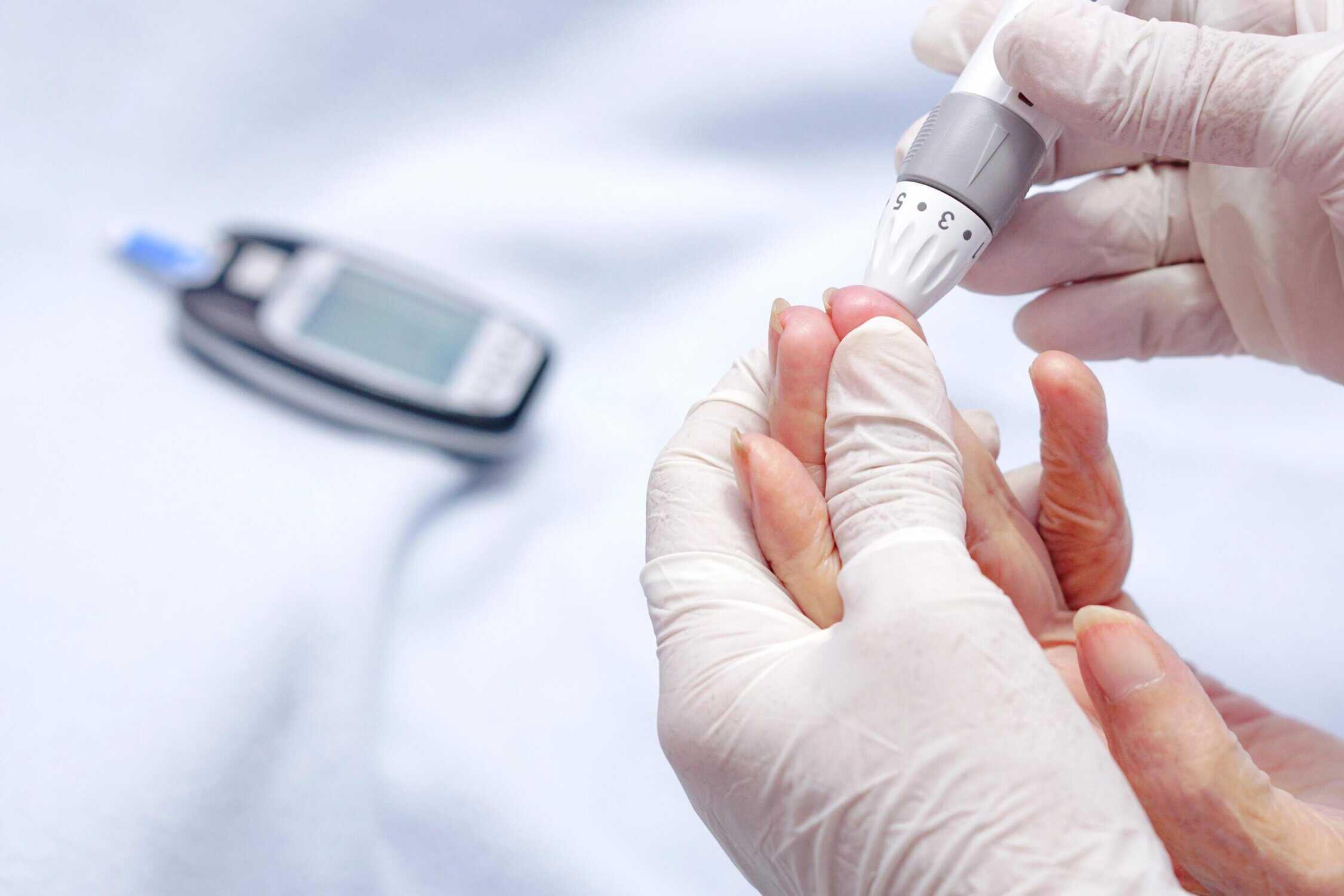
It’s the big question, isn’t it? While alcohol doesn’t directly cause diabetes, it’s a bit more complicated than a simple “yes” or “no.” Think of it this way: heavy, long-term drinking can create the perfect storm of conditions that lead to type 2 diabetes. The relationship is often described as U-shaped. Some studies on moderate alcohol consumption suggest it might be associated with a lower risk of developing type 2 diabetes compared to not drinking at all. However, this is where the U-shape comes in, heavy drinking swings the pendulum in the other direction, increasing the risk.
When you drink heavily, you put a tremendous amount of stress on your body, especially your pancreas and liver. These organs are key players in managing your blood sugar and insulin levels. Over time, this strain can lead to serious issues like insulin resistance, where your body’s cells stop responding properly to insulin. We’ll get into the specifics of how this works, but the main takeaway is that while a glass of wine with dinner might not be the problem, consistent heavy drinking is a significant risk factor for diabetes.
At its core, diabetes is a condition that affects how your body turns food into energy. Normally, when you eat, your body breaks down food into a sugar called glucose, which enters your bloodstream. Your pancreas then releases a hormone called insulin, which acts like a key, allowing glucose to enter your cells to be used for energy. With diabetes, this system is broken. Your body either doesn’t make enough insulin or can’t use the insulin it makes as effectively as it should. This causes too much sugar to stay in your blood, which can lead to serious health problems over time.
It’s important to know there are two main types of diabetes. Type 1 diabetes is an autoimmune condition, meaning the body’s immune system mistakenly attacks and destroys the insulin-producing cells in the pancreas. People with type 1 diabetes produce very little or no insulin and need to take it every day to live. It often develops in children and young adults.
Type 2 diabetes, on the other hand, is much more common. In the United States, about 90-95% of all diagnosed diabetes cases are type 2. This is the type where your body develops insulin resistance, the cells don’t respond to insulin correctly. At first, your pancreas makes extra insulin to compensate, but eventually, it can’t keep up.
This is the type of diabetes most closely linked to lifestyle factors, including heavy alcohol use, which is why it’s the focus of our conversation here. Managing conditions like type 2 diabetes is complex, and sometimes involves medications that can have broader effects, even on things like addiction recovery. For example, some people are prescribed medications that treat type 2 diabetes and may also help with substance use.
The signs of type 2 diabetes can be subtle at first and develop over several years. Because they’re not always dramatic, it’s easy to overlook them. If you notice any of the following, it’s a good idea to talk with a healthcare professional. According to the Centers for Disease Control and Prevention (CDC), some common warning signs include:
When you drink, alcohol enters your bloodstream and affects multiple organs, each with a role in managing your blood sugar. It’s not just about the sugar in a cocktail; it’s about how alcohol itself disrupts your body’s delicate balancing act. From your liver to your pancreas, heavy drinking can throw your entire glucose regulation system out of whack. Over time, this disruption can pave the way for insulin resistance and, eventually, type 2 diabetes. If you’re concerned about how your drinking patterns might be affecting your health, our team can provide a confidential assessment and guide you toward safer habits.
Alcohol has a tricky, two-faced effect on your blood sugar. Initially, if you’re drinking something sugary like a mixed drink or a sweet wine, your blood sugar can spike. Your body gets a rush of sugar without much nutritional value, leading to hyperglycemia (high blood sugar). But the more significant danger, especially with heavy drinking, is the opposite effect: hypoglycemia, or dangerously low blood sugar.
Here’s why: your liver is your body’s glucose warehouse. It stores glucose and releases it as needed to keep your blood sugar stable. But when you drink, your liver sees alcohol as a toxin and prioritizes metabolizing it above all else. This means it stops releasing glucose. If you’re drinking on an empty stomach or haven’t eaten in a while, your blood sugar can plummet to dangerous levels. This risk is a major concern for anyone, but especially for those whose health is already compromised by long-term heavy drinking and its effects.
Insulin resistance is a key step on the path to type 2 diabetes. It happens when your body’s cells, particularly in your muscles, fat, and liver, don’t respond well to insulin. They have trouble taking up glucose from your blood, even when there’s plenty of insulin available. Think of it like a key that no longer fits the lock properly.
Chronic heavy alcohol use contributes directly to this problem. Research shows that heavy drinking can cause fat to accumulate inside muscle cells, which interferes with their ability to use glucose for energy. This forces the pancreas to work overtime, pumping out more and more insulin to try and get the job done. Over many years, this relentless demand can wear out the insulin-producing cells in the pancreas. Once the pancreas can no longer keep up, blood sugar levels rise, and type 2 diabetes is diagnosed.
So, can you drink alcohol if you have diabetes or are at risk? For many, the answer is yes, but with careful planning and a strong emphasis on moderation. It’s all about making informed choices to keep yourself safe. The most important rules are to never drink on an empty stomach and to be diligent about monitoring your blood sugar. Alcohol can mask the early signs of hypoglycemia, like shakiness or confusion, because they can feel similar to being intoxicated. This is why it’s crucial to wear a medical ID, stay hydrated with water, and make sure someone you’re with knows about your condition.
The key to drinking more safely is understanding what “moderate” really means. General guidelines, like those from the National Institute on Alcohol Abuse and Alcoholism (NIAAA), recommend that if you choose to drink, you do so in moderation. For women, this means up to one drink per day, and for men, up to two drinks per day. It’s also important to know what counts as a single drink, as it’s often less than you’d think.
These are just general guidelines, and your personal limit might be different based on your health, medications, and how your body processes alcohol. It’s always best to talk with your doctor to get advice that’s tailored to you. For some, the safest choice is not to drink at all, especially if managing moderate drinking feels challenging. If that’s the case for you, exploring professional rehab programs can offer a supportive path forward.
Alcohol itself does not directly cause diabetes, but heavy alcohol consumption is a major risk factor for developing type 2 diabetes. Drinking alcohol regularly can lead to weight gain, insulin resistance, and damage to pancreatic cells that produce insulin. Over time, these effects can increase your risk of developing diabetes and other health complications.
Alcohol can have unpredictable effects on blood sugar levels. It may cause low blood sugar, especially when drinking alcohol on an empty stomach, because it interferes with the liver’s ability to release glucose. At the same time, sugary alcoholic drinks can lead to elevated blood glucose levels. This makes it harder to control blood sugar levels, particularly for people with diabetes.
Quitting alcohol may not completely reverse diabetes, but it can significantly improve blood sugar control and reduce insulin resistance. For some people, especially those with prediabetes or early-stage diabetes, reducing alcohol intake can lower elevated glucose levels and improve overall metabolic health. It can also reduce the risk of diabetes complications like cardiovascular disease and kidney disease.
Alcohol and diabetes can be a dangerous combination if not managed carefully. Alcohol use can increase the risk of low blood sugar, elevated triglyceride levels, and long-term complications like diabetic retinopathy, peripheral neuropathy, and heart disease. Heavy drinking and alcohol abuse can also worsen blood pressure and overall health, making diabetes care more challenging.
We understand that cutting back or stopping drinking isn’t always easy. If alcohol has become a way to cope or a habit that feels out of your control, you don’t have to face it alone. At Hillside Detox, we provide a safe, expert-led environment to help you manage your health. Whether you need medically supervised detox to safely stop drinking, an inpatient program to build a strong foundation for recovery, or dual diagnosis treatment to address co-occurring health conditions, our compassionate team is here to support you. Making a change is possible, and professional support can make all the difference in your journey toward better health.
If you feel that your drinking is putting your health at risk, please know that caring, professional help is available. You can call us at (781) 332-4135 to speak with someone confidentially about your options. At Hillside Detox, we’re here to provide the support you need to take back control. You can also explore our various treatment programs to find the right fit for your situation. Contact us today.

"*" indicates required fields

We have helped countless individuals empower themselves to recover and get the substance use and mental health treatment they need. Know that you’re not alone in this, we are here to help.

Contact us through the confidential form below for assistance on how to find Alcohol Detox, Alcohol Rehab, and a Drug Addiction Treatment Center in Massachusetts.
"*" indicates required fields

