
"*" indicates required fields
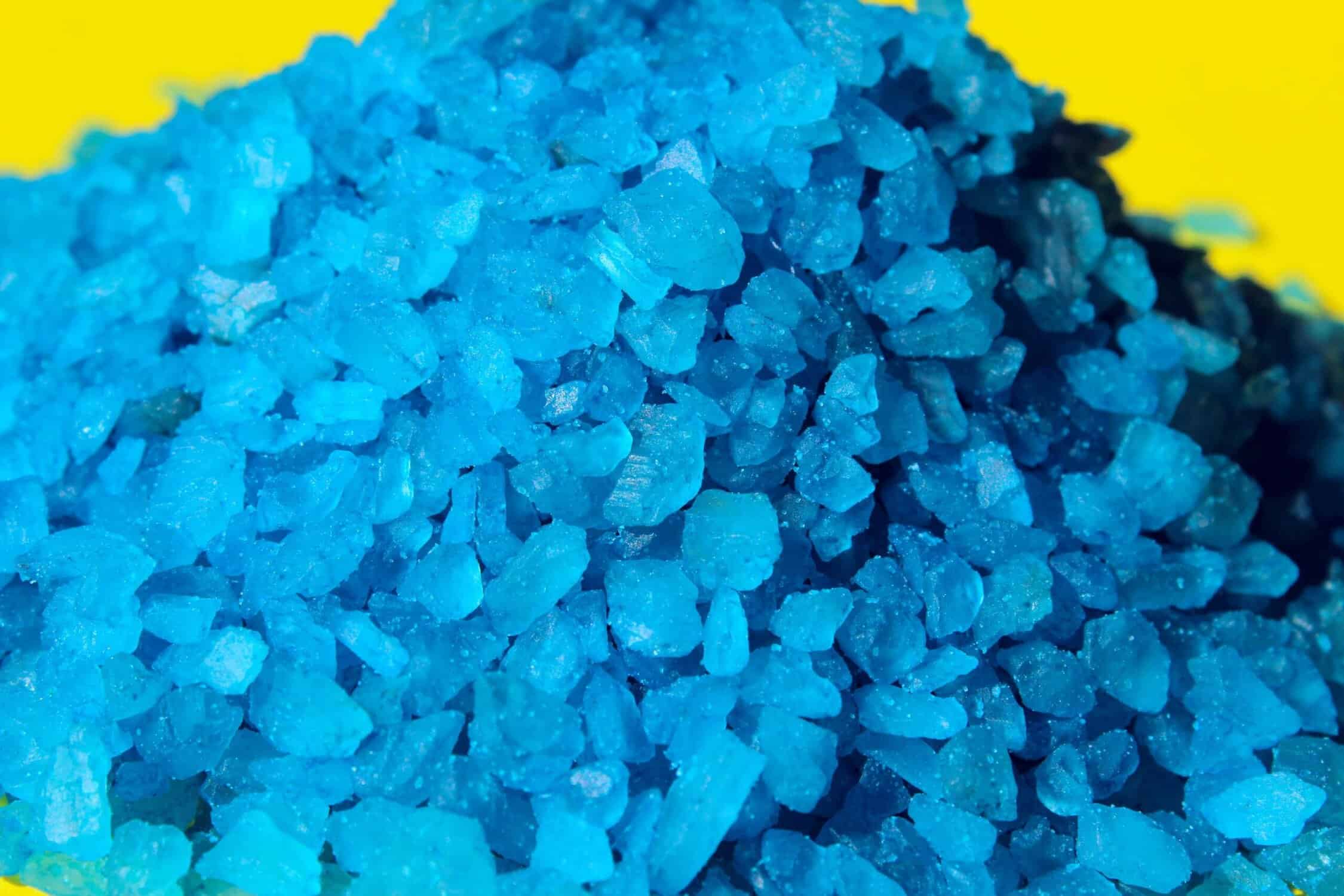
The idea of blue meth is mostly a myth created for television. In the show, the unique color supposedly signified a product with 99.1 percent purity. In real life, however, the opposite is true. Pure methamphetamine is not blue. It’s a colorless or white crystalline substance that often looks like glass fragments or shiny rocks. Any color you see in meth, whether it’s blue, pink, or brown, is a sign of dangerous impurities or added dyes. These additives are often used by dealers to brand their product, but they don’t indicate quality or strength. Instead, they signal a contaminated drug made with potentially toxic cutting agents left over from a hazardous manufacturing process.
Setting aside the pop culture image of blue meth, it’s helpful to know what this drug actually looks like. Methamphetamine can be found in several different forms, and its appearance can vary quite a bit. Recognizing these forms is key to understanding the risks involved. From crystals and powders to colorful tablets, each version has its own methods of use and associated dangers. Knowing more about the different appearances of meth can help you identify it and understand the situation you or a loved one might be facing.
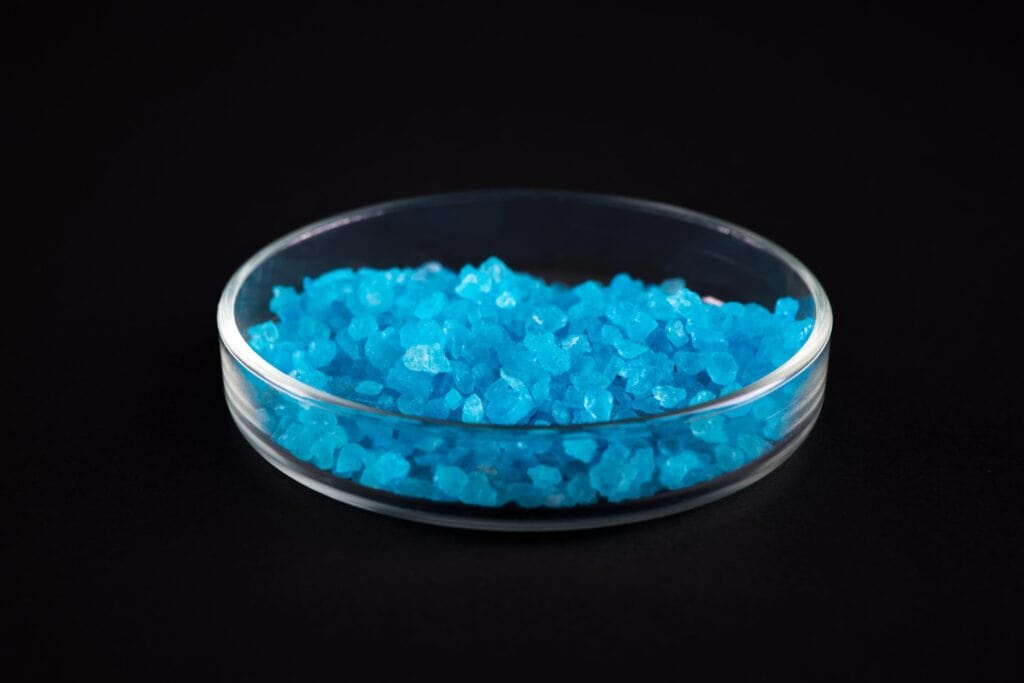
Often called “ice” or “glass,” crystal meth looks like transparent or bluish-white pieces of glass, rock salt, or shards. These transparent crystals are a highly pure form of the drug. Because of its purity, it’s extremely potent and has a high potential for addiction. This form is typically smoked in a small glass pipe, but it can also be dissolved and injected.
Meth can also come in a powder form, which is often white or off-white and may look like chalk dust. This version, sometimes called “speed,” can be swallowed, snorted, or injected after being dissolved in liquid. The color and texture can vary depending on the impurities left behind during the production process, sometimes appearing yellowish or brownish.
In some parts of the world, meth is pressed into small, colorful tablets. Commonly known as “Yaba,” these pills are often brightly colored, like red, orange, or green, and stamped with logos. Yaba is a mix of methamphetamine and caffeine, making it a powerful stimulant. These tablets are usually swallowed, but they can also be crushed and smoked.
Regardless of its color or form, methamphetamine use carries severe health risks. The initial rush of energy and euphoria quickly gives way to a wide range of damaging effects that can harm your physical and mental well-being. According to the Drug Enforcement Administration, methamphetamine is a powerful and highly addictive stimulant that affects the central nervous system. Over time, continued use can lead to devastating consequences that impact every aspect of your life.
If you or a loved one is struggling with meth addiction, it’s important to know that recovery is possible. Methamphetamine addiction is a highly addictive and dangerous substance that affects both the brain and body, but with the right treatment options and support, people can rebuild their lives and achieve long term sobriety.
Recovery often starts with recognizing how meth use impacts mental health and physical health. Whether someone is using crystal meth, powdered meth, or other forms of methamphetamine, the risks remain the same. Over time, substance abuse can lead to serious mental health issues like anxiety, paranoia, and even psychosis, along with physical effects like increased blood pressure and long-term damage to the body.
Because methamphetamine alters brain function, effective meth addiction treatment focuses on both addiction and recovery and any underlying mental health conditions. Evidence-based approaches like cognitive behavioral therapy, group counseling, and peer support groups are commonly used to help individuals change patterns related to drug use and build healthier coping strategies.
Treatment programs may also include structured care in a safe environment, where individuals can step away from the drug world and focus fully on healing. These programs support people through the early stages of recovery and help reduce the risk of relapse or accidental overdoses.
The recovery journey is not always easy, but it is possible. With continued support, the right treatment plan, and a strong support system, individuals can move toward long term sobriety and a life free from methamphetamine. No matter how far things may feel, recovery can begin with one step toward help.
Blue meth became widely known from Breaking Bad, where Breaking Bad featured a highly pure blue crystal meth created by Walter White. In real life, blue meth does exist, but it is not special or more pure. The blue color usually comes from dye or impurities added during the meth production process, not from a unique chemical composition.
Blue crystal meth is not necessarily more pure than regular meth. While the show portrayed it as an extremely pure form, real-world methamphetamine varies widely in quality regardless of color. All forms of meth, whether blue, clear, powdered, or liquid, are highly addictive and considered a dangerous substance with serious health risks.
The blue hue in methamphetamine is typically caused by added dyes, certain chemicals used in manufacturing, or impurities from the production process. Drug manufacturers may intentionally dye meth blue to mimic “blue sky” meth from pop culture or to make it stand out in the drug trade, but the color does not indicate quality or safety.
Meth use can lead to severe health risks, including high blood pressure, mental health issues, meth mouth, and long-term damage to the brain and body. It is a highly addictive substance that can quickly lead to methamphetamine addiction, substance abuse, and increased risk of accidental overdoses. The risks are the same regardless of the color or form of the drug.
If you or someone you care about is struggling with meth addiction, please know that recovery is possible. The journey isn’t easy, but you don’t have to do it alone. At Hillside Detox, we provide a safe and supportive environment where you can begin to heal. The first step is often undergoing a medically supervised detox to safely manage withdrawal symptoms. From there, a comprehensive treatment plan for meth addiction can help address the underlying reasons for substance use through therapies and support for any co-occurring mental health conditions, known as dual diagnosis.
If you’re ready to take the next step, a professional and caring team is here to help. Beginning with a safe and supportive drug detox program can make all the difference in starting your recovery journey. At Hillside Detox, we are here to provide the compassionate care you deserve.
There is hope for a healthier future. You can start by having a confidential conversation with our team to explore your options. Please don’t hesitate to call us at (781) 332-4135 or contact us whenever you’re ready. We’re here to listen without judgment.

"*" indicates required fields

We have helped countless individuals empower themselves to recover and get the substance use and mental health treatment they need. Know that you’re not alone in this, we are here to help.

Contact us through the confidential form below for assistance on how to find Alcohol Detox, Alcohol Rehab, and a Drug Addiction Treatment Center in Massachusetts.
"*" indicates required fields

