
"*" indicates required fields
Kratom addiction is a growing concern across the United States. While some people begin taking kratom products to provide pain relief for chronic pain, increased energy, or improved mood, regular kratom use can lead to physical dependence, withdrawal symptoms, and long-term adverse health effects. Our kratom addiction help program provide the specialized care you need to overcome kratom addiction safely, manage withdrawal, and start recovery.
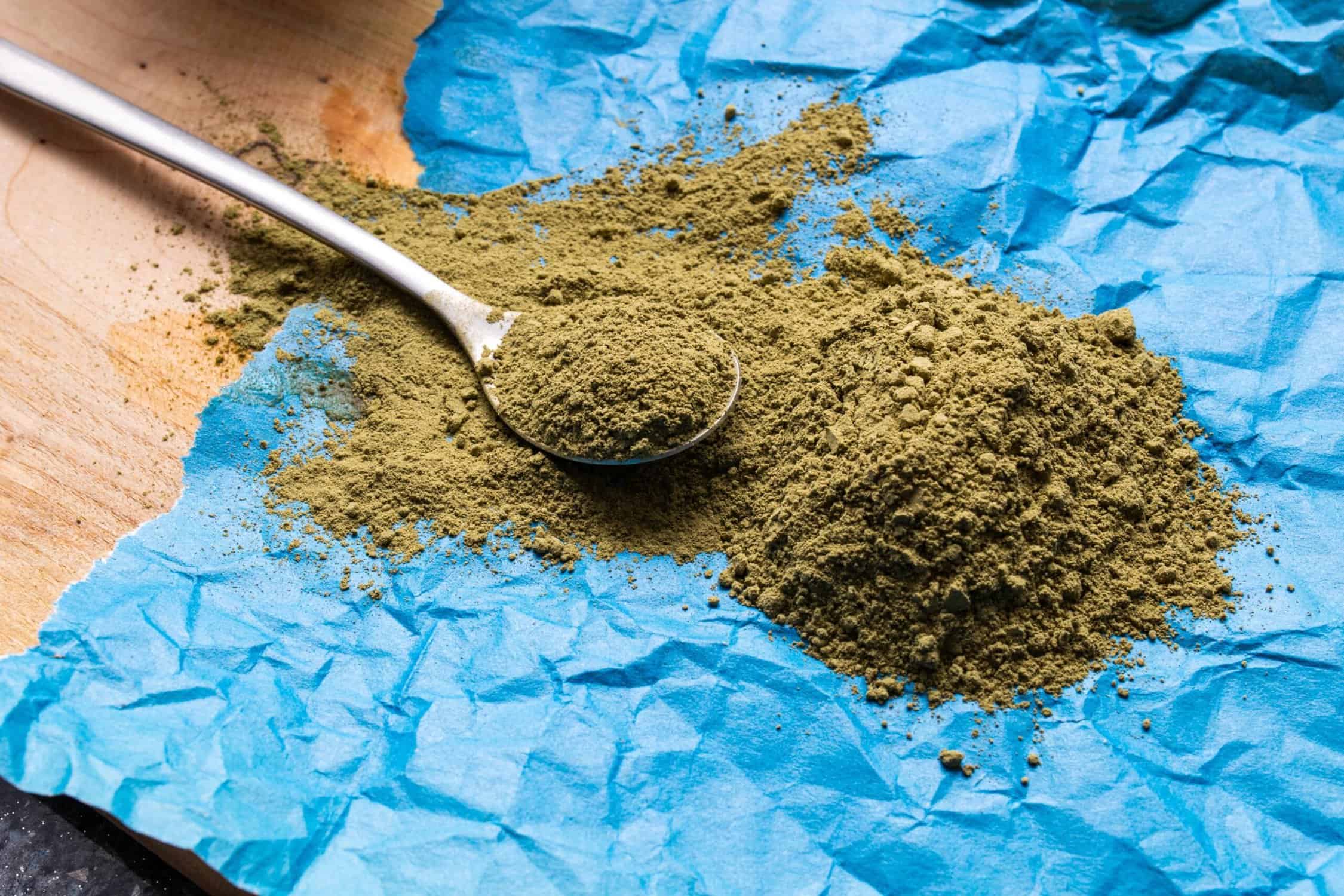
Kratom is an herbal supplement derived from the leaves of a tree native to Southeast Asia. Traditionally, kratom in the form of leaves was used for medicinal purposes such as relief from chronic pain and boosting energy during labor. In the U.S., kratom products are often marketed as natural remedies or “legal highs.”
Kratom contains psychoactive drugs known as kratom alkaloids. These substances interact with the brain’s mu opioid receptor, producing effects similar to opioid use, like prescription drugs. Depending on the kratom dose, users may feel increased energy and improved mood at low doses, or decreased pain and sedation at greater doses, similar to how they might feel during opioid use.
The U.S. Food and Drug Administration (FDA) has not approved kratom for medical use or to provide relief from various symptoms, and the Drug Enforcement Administration (DEA) has identified kratom as a substance of concern due to its addictive properties. Although not currently a scheduled substance under the Controlled Substances Act, research does suggest that kratom causes dangerous effects similar to other opioid use disorders and addictions.
Kratom is consumed in many ways, including:
While some take kratom to relieve chronic pain, self-treat opioid withdrawal symptoms, or boost energy, these uses can quickly lead to kratom dependence, drug abuse, and eventual overdose when combined with other drugs or alcohol.
Kratom dependence can lead to a range of physical, psychological, and behavioral side effects that impact overall health and daily life.
Kratom use may cause nausea, constipation, sweating, tremors, and even respiratory depression at higher doses. Over time, these physical side effects reflect the toll kratom dependence takes on the body.
Kratom dependence doesn’t just affect the body. Anxiety, irritability, mood swings, and mental health decline are common with prolonged kratom use. Severe cases may involve ideas of suicide.
Regular kratom use can mirror opioid addiction, leading to severe symptoms of kratom withdrawal, dangerous drug interactions, and lasting damage to mental and physical health. These are just some of the many reasons kratom addiction treatment is so necessary.
Recognizing the signs of kratom use and addiction is key to understanding when casual use has shifted into a harmful and potentially dangerous dependency. A few of these signs include:
Many individuals begin taking kratom in smaller doses but gradually increase their intake to achieve the same effects. This is a clear indicator of developing tolerance.
When kratom becomes a primary way to relieve symptoms of pain, manage stress, or handle mental and physical health conditions, it often signals a deeper problem.
Cravings, sweating, muscle aches, and other kratom withdrawal symptoms point to physical dependence and difficulty quitting without help.
Declining work performance, financial struggles, or isolation from loved ones often accompany kratom addiction.
Are you looking for information on addiction treatment options, or just need someone to talk to? We are here to help. The treatment specialists at Hillside Detox are available 24/7 to offer support, resources, and care for you or your loved one.
Addiction treatment options for kratom dependence are similar to the approaches used for addressing opioid addiction and other substance use disorders. Because kratom interacts with opioid receptors in the brain, many of the same treatment protocols apply.
The most effective approaches include evidence-based counseling, medication-assisted treatment, medical detox, and structured inpatient or outpatient treatment programs. Treatment may be short-term or long-term, depending on the severity of kratom use, the presence of co-occurring conditions, and individual treatment needs.
Detox is the first and most important step in recovery. It involves eliminating substances like kratom from the body while carefully managing kratom withdrawal symptoms. Since kratom withdrawal can involve both physical issues, such as nausea, sweating, and body aches, and more mental symptoms like anxiety and depression, professional medical support is essential.
During detox, medical staff closely monitor vital signs and provide medications, when necessary, to reduce discomfort. Symptoms such as insomnia, intense cravings, and severe mood swings can be stabilized with targeted support. Detoxification typically lasts several days to a few weeks, depending on kratom dose history and the individual’s overall health.
While detox is a critical first step, it is not considered comprehensive treatment for kratom dependence. To achieve long-term recovery, individuals are strongly encouraged to continue with therapy, counseling, and relapse prevention planning after detox.
Inpatient rehab provides a structured and supportive environment where individuals can begin their recovery journey away from daily stressors and triggers of their substance use disorder. During this stage, patients live at the treatment facility and receive 24/7 medical supervision, ensuring that withdrawal symptoms and early recovery challenges are managed safely and effectively.
The immersive nature of inpatient care allows individuals to focus entirely on healing, building coping skills, and creating healthier routines. With compassionate support and professional guidance, inpatient rehab lays the foundation for long-term recovery and helps patients take the first steps toward a life free from kratom dependence.
Medication-assisted treatment is often used to help people struggling with kratom withdrawal, especially those experiencing severe withdrawal symptoms or high levels of physical dependence. MAT combines FDA-approved medications with counseling and behavioral therapies to provide a comprehensive approach.
Some medications that can help with opioid withdrawal, especially kratom withdrawal, may include:
A partial agonist that helps reduce cravings and stabilize the brain’s opioid receptors.
A long-acting medication that reduces cravings and minimizes withdrawal symptoms.
A non-addictive medication that blocks the euphoric effects of kratom and other opioid drugs.
MAT is always carefully managed by a medical team, as the buprenorphine naloxone dose or other medications must be adjusted based on the patient’s symptoms and overall health. By stabilizing both physical and mental symptoms, MAT allows individuals to focus on the deeper work of recovery.
Behavioral therapies are essential in addressing the psychological aspects of kratom addiction. These therapies help individuals understand the triggers behind kratom use, develop coping strategies, and repair relationships affected by substance abuse. Common evidence-based approaches include:
Together, these therapies provide the tools to maintain sobriety, address co-occurring mental health conditions, and build a healthier lifestyle.
If you or a loved one is struggling with kratom addiction or other substance use issues, don’t wait. Our Massachusetts treatment center provides a customized treatment plan, trusted detox support, and evidence-based treatment options tailored to your needs. Contact us today at (781) 332-4135 to discover more about safe detoxification and long-term recovery options.
Office of the Commissioner. (2025b, September 25). FDA and Kratom. U.S. Food And Drug Administration.
U.S Department of Justice. (2025). Kratom. United States Drug Enforcement.
Striley, C. W., Hoeflich, C. C., Viegas, A. T., Berkowitz, L. A., Matthews, E. G., Akin, L. P., Iheanyi-Okeahialam, C., Mansoor, U., & McCurdy, C. R. (2022b). Health Effects Associated With Kratom (Mitragyna speciosa) and Polysubstance Use: A Narrative Review. Substance Abuse Research and Treatment, 16.

"*" indicates required fields

We have helped countless individuals empower themselves to recover and get the substance use and mental health treatment they need. Know that you’re not alone in this, we are here to help.
Long-term kratom use can lead to physical dependence, insomnia, weight loss, digestive issues, and mood disturbances. Chronic use may also cause cognitive difficulties and irritability. Structured kratom addiction treatment programs address these effects through medical detox and therapy, while kratom abuse treatment provides strategies to manage withdrawal symptoms and prevent relapse. Engaging in ongoing kratom addiction recovery helps individuals rebuild healthy routines and maintain long-term sobriety.
Yes, many individuals with kratom dependence attend rehab programs when home detox is insufficient or withdrawal symptoms are severe. Evidence-based kratom addiction treatment and kratom abuse treatment programs offer medical supervision, behavioral therapy, and relapse prevention planning. Participating in a structured program significantly increases the likelihood of sustained kratom addiction recovery.
Kratom is sometimes used for its stimulant or mood-enhancing effects, but unsupervised use can lead to dependence and worsen mental health over time. Professional kratom abuse treatment addresses underlying mental health concerns and teaches safer coping strategies. Through therapy and medical support, kratom addiction recovery programs help individuals manage anxiety, depression, or stress without relying on the substance. Long-term participation in kratom addiction recovery ensures both mental and physical health are restored.
While some people attempt to quit kratom on their own, withdrawal symptoms such as irritability, insomnia, and nausea make unsupervised recovery difficult. Structured kratom abuse treatment and kratom addiction recovery programs provide medical monitoring, therapy, and coping strategies to ensure safety and reduce the risk of relapse. Professional kratom addiction treatment significantly improves outcomes compared to home detox alone.
Therapy is a cornerstone of kratom addiction recovery and kratom abuse treatment, helping individuals identify triggers, develop coping mechanisms, and address co-occurring mental health conditions. Cognitive behavioral therapy (CBT), group counseling, and family therapy support long-term kratom addiction recovery by building skills to maintain sobriety and prevent relapse.
While kratom is not officially classified as an opioid, kratom alkaloids bind to opioid receptors in the brain. This makes kratom addiction behave similarly to opioid use disorder, with both physical dependence and symptoms akin to opioid withdrawal.
Kratom use may worsen mental health conditions such as anxiety, depression, or other mental disorders. It can also increase the risk of suicidal ideation during kratom withdrawal. Professional treatment is essential for individuals with co-occurring substance use disorder and mental health conditions.
Yes. Kratom withdrawal symptoms often mirror opioid withdrawal, including body aches, sweating, insomnia, anxiety, and intense cravings. Many people report that stopping the use of kratom feels similar to stopping other opioid drugs, which is why medical supervision is highly recommended.
Yes. While kratom is often marketed as a “natural” product, it still carries the risk of overdose, especially when combined with alcohol, prescription opioids, or other opioid use. A kratom overdose may result in more dangerous and serious effects, such as respiratory depression, confusion, irregular heartbeat, or even loss of consciousness.
Because kratom products are unregulated and kratom dose levels can vary widely, the risk increases with higher doses or frequent use. Seeking professional treatment options is the safest way to quit kratom and avoid overdose risks.
Long-term kratom use can cause both physical symptoms and psychological symptoms that mirror other substance use disorders like drug or alcohol dependence. Research suggests kratom dependence, similar to opioid use, may lead to liver damage, digestive problems, and adverse effects on the heart.
Various conditions, such as anxiety, depression, or suicidal ideation, can also worsen over time. Clinical implications point to a high likelihood of physical dependence and severe withdrawal symptoms, especially for individuals taking kratom daily. Comprehensive treatment of kratom addiction is essential to reduce these risks and support long-term health.

Contact us through the confidential form below for assistance on how to find Alcohol Detox, Alcohol Rehab, and a Drug Addiction Treatment Center in Massachusetts.
"*" indicates required fields