There is no fixed length. Your clinical team recommends a duration based on your assessment and adjusts it as you progress. Most residential stays run several weeks. Insurance authorization is handled by our team throughout so you are not managing that yourself.
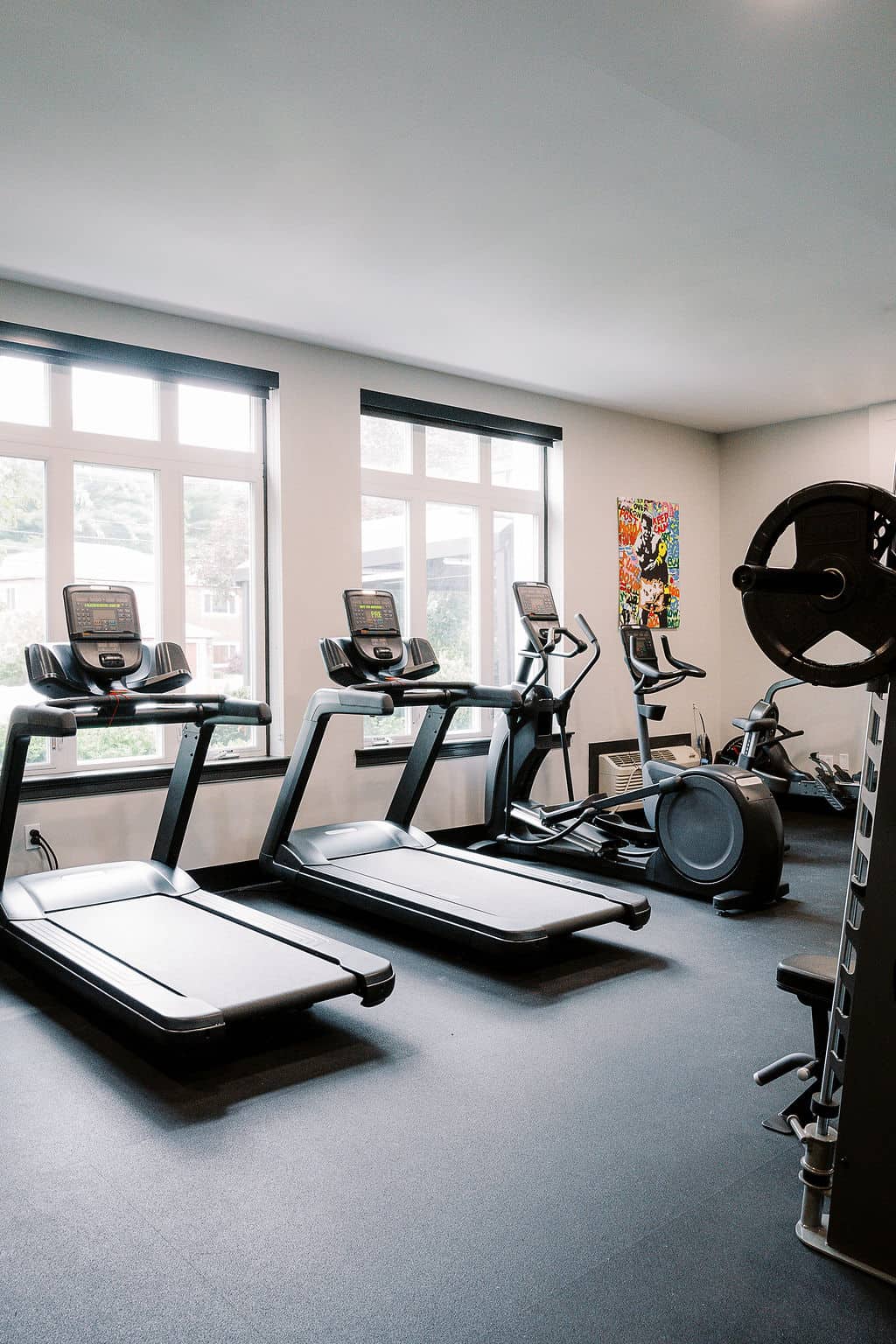
Mornings typically start with a check-in and group session. The day includes individual therapy, skills-based groups, psychiatric appointments as scheduled, meals, and time for fitness, recreation, or rest. Evenings are lighter, with peer groups and free time.
Both, together. Hillside treats anxiety, depression, PTSD, bipolar disorder, borderline personality disorder, and eating disorders alongside substance use. Dual diagnosis care is built into residential treatment rather than referred out.
Yes. When clinically appropriate, MAT for opioid or alcohol use disorder is offered as part of your treatment plan, prescribed and managed by our medical team.
Yes. Family therapy is part of the program, and family support services help the people around you understand addiction and how to support recovery. Visitation is coordinated with your clinical team.
Many clients have. A previous stay does not mean treatment failed. It means the plan needs to be different this time. Your assessment covers what worked, what did not, and what was missing, and your treatment plan is built from that.
Residential treatment requires time away, but federal FMLA and most short-term disability plans protect your position for medical treatment. Our team provides the documentation your employer needs without disclosing the nature of your care.
Discharge planning starts early. You leave with a continuing care plan that may include outpatient treatment, sober living, medication management, and alumni support. Hillside stays in contact after discharge because the first months home are where support matters most.